Gisela Coleman · 5 November 2026
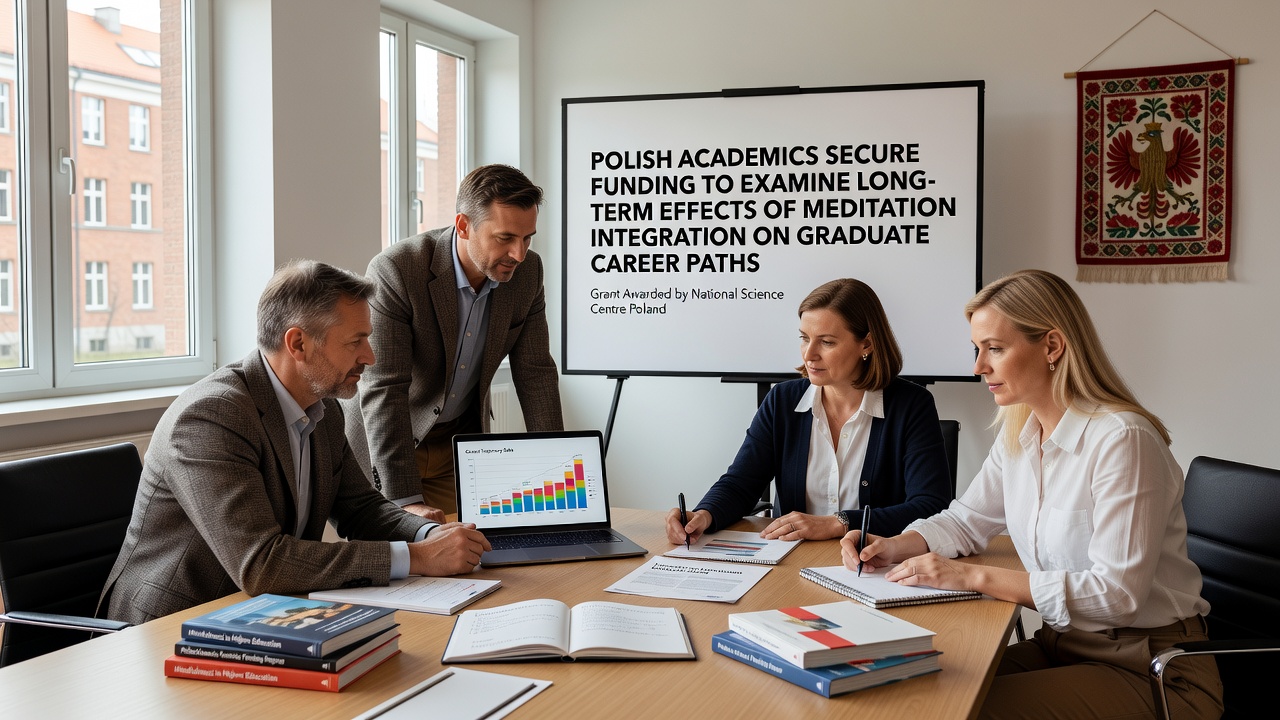
Polish Academics Secure Funding to Examine Long-Term Effects of Meditation Integration on Graduate Career Paths
Polish researchers have obtained substantial grants to track how meditation practices integrated into graduate programs influence career trajectories over extended periods, and this initiative draws on data from multiple universities across the country while coordinating with international partners to gather longitudinal metrics on employment rates, job satisfaction, and professional advancement.
Funding Details and Institutional Involvement
Grants announced in November 2026 support a multi-year project led by teams at several Polish institutions, where the European Research Council has allocated resources alongside national science ministry contributions to cover participant recruitment, data collection, and analysis phases through 2032. Observers note that the budget covers surveys administered at regular intervals, neuroimaging follow-ups in select cohorts, and statistical modeling to isolate variables such as meditation frequency from other academic supports.
Cooperating universities include those in Warsaw, Krakow, and Wroclaw, each contributing faculty from psychology, education, and labor economics departments, and the collaboration structure assigns specific roles so that one site handles baseline assessments while another manages career outcome tracking via alumni databases and employment registries.
Research Design and Data Collection Methods
The study employs a prospective cohort approach that follows graduates who participated in meditation-integrated curricula compared against control groups from standard programs, and researchers collect self-reported data through digital platforms every six months while cross-referencing with official labor statistics from Polish government agencies. Quantitative measures include time to first job, salary progression, and retention in chosen fields, whereas qualitative interviews explore perceived connections between mindfulness routines and decision-making under workplace stress.
Additional protocols incorporate wearable devices for physiological indicators during work simulations, and preliminary protocols specify randomization of meditation session formats such as guided breathing versus movement-based practices to determine differential impacts on long-term adaptability.

Historical Context and Related European Initiatives
Earlier European efforts examined short-term academic performance gains from contemplative practices, yet this Polish project extends the timeline to career milestones and incorporates cross-border data sharing with partners in Canada and Australia to broaden sample diversity. Figures from the European Commission reveal rising investment in mental health interventions within higher education, and Polish teams have adapted those frameworks to focus explicitly on post-graduation outcomes rather than immediate grade improvements.
One component examines how mentorship structures built around meditation groups affect networking behaviors, while another tracks whether participants pursue entrepreneurial paths at higher rates than non-participants based on registry filings from the Polish Central Statistical Office.
Expected Timeline and Interim Reporting
Initial participant enrollment begins in early 2027 with follow-up waves scheduled through the decade, and interim reports will appear in peer-reviewed journals starting in 2029 to allow adjustments in methodology if recruitment patterns shift. Data sharing agreements ensure anonymized datasets become available to qualified researchers via secure repositories managed by the Polish Academy of Sciences.
Training sessions for research assistants emphasize standardized delivery of meditation modules across sites, and quality control visits occur quarterly to maintain consistency in both intervention fidelity and assessment procedures.
Conclusion
The funded examination of meditation integration effects on graduate career paths supplies structured evidence that institutions can reference when designing support programs, and the project's scale plus its longitudinal focus position Polish academia to contribute concrete datasets to ongoing European discussions on workforce readiness and well-being metrics.